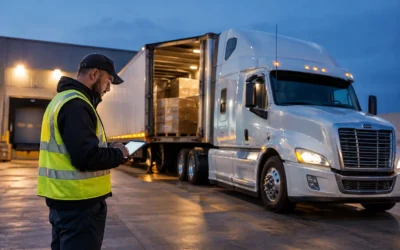
A late truck can stop far more than a shipment. It can leave a crew waiting for steel, hold up a production run, push an installation date, or force a customer promise into question. The trucking companies that earn repeat commercial business understand that freight is not simply cargo moving from point A to point B. It is part of a working schedule with real costs attached to every missed hour.
For shippers in British Columbia and select Alberta routes, the right carrier should make the transportation portion of the job feel controlled. That means getting a clear quote, matching the load to the correct truck, confirming pickup details, communicating when circumstances change, and delivering with the urgency the job requires.
What Reliable Trucking Companies Do Differently
A dependable carrier begins by asking practical questions. What is being shipped? How much does it weigh? What are the dimensions? Does it need to be loaded from the side, from above, or at a dock? Is the delivery appointment fixed, or is the receiver waiting on the freight to continue work?
Those details determine whether a shipment needs a smaller flat deck, a curtain side, a tridem, a gooseneck, or a Super B configuration. Sending equipment that is too small creates avoidable delays. Sending equipment that is oversized for the load can add unnecessary cost. Proper dispatch starts with fitting the equipment to the actual job.
Capacity matters just as much as speed. A 5-ton flat deck truck can handle loads up to 15,000 pounds, while a Super B can move freight up to 90,000 pounds when the shipment, route, and regulations allow it. The best choice depends on the load and the deadline. An urgent smaller shipment may need immediate pickup on the right available unit. A heavier industrial load may need more planning, permits, securement consideration, and a truck built for the weight.
Local route knowledge also matters. British Columbia roads are not interchangeable. Highway conditions, mountain passes, construction zones, weather, seasonal restrictions, and delivery access can affect timing. A carrier with long-standing regional experience can plan around the realities of the route rather than offering an estimate based only on distance.
Freight Planning Starts Before Pickup
Many delivery problems begin before a truck arrives. Incomplete pickup information, an inaccurate weight, unprepared freight, or a receiver who is not ready can turn a simple shipment into a delay. Clear shipment details give the dispatcher a chance to prevent problems instead of reacting to them on the road.
When requesting a quote, provide the pickup and delivery locations, ready time, required delivery time, freight description, dimensions, weight, and any loading or unloading requirements. Include information about site access as well. A busy jobsite, limited turning radius, overhead restrictions, a forklift requirement, or a scheduled receiving window can all affect what truck should be assigned and when it should arrive.
This level of preparation is not paperwork for its own sake. It protects the production schedule. If a shipper needs a load picked up at noon and delivered before a crew begins work the next morning, that timeline needs to be visible from the first conversation. The carrier can then assess the route, available equipment, driver hours, and delivery conditions before committing to the work.
A clear quote is part of that process. It gives both sides an opportunity to confirm the scope before dispatch. If the shipment changes, such as a higher weight, extra pallets, or a different site condition, it should be raised early. Honest information prevents surprises at pickup and helps keep the agreed plan intact.
The Right Truck Depends on the Freight
Flat deck transportation is often the practical answer for equipment, building materials, machinery, steel, and oversized items that do not fit neatly into a standard enclosed trailer. It allows flexible loading from the rear, side, or above when the shipper has the proper equipment available.
Curtain side equipment can be a strong option when freight needs weather protection but still benefits from side access. It can reduce handling challenges at locations where dock access is limited or where materials must be loaded by forklift along the trailer length.
Gooseneck and tridem configurations offer useful capacity and flexibility for specific commercial shipments. Super B units are suited to larger, heavier freight where substantial payload capacity is the priority. None is automatically the “best” truck. The right truck is the one that can safely load, secure, move, and deliver the shipment without creating a bottleneck at either end.
That is why a carrier should not treat every request as a standard freight move. Equipment selection affects price, timing, safety, and access. A quick review at the quoting stage can save a customer from an expensive re-dispatch or a truck arriving at a site unable to complete the work.
Communication Is Part of the Delivery Service
Commercial shippers do not need more vague updates. They need usable information. If pickup is confirmed, the shipper should know it. If a weather event, road closure, loading delay, or site issue affects timing, the shipper should hear about it early enough to adjust their operations.
Good communication is especially important for expedited freight. A production coordinator may need to arrange labor, a construction supervisor may be waiting on materials, and a purchasing team may need to notify a customer. Silence creates uncertainty. A direct update lets people make decisions.
Owner-led accountability can make a real difference here. In a family-operated carrier, the people responsible for the business are close to the work and invested in the customer relationship. That does not mean every load will be free from road conditions or unforeseen delays. It means problems are handled directly, with an emphasis on finding the next workable solution rather than passing responsibility around.
For urgent freight, ask how the carrier handles status updates and exceptions before booking. The answer will tell you a great deal about how the company operates when the schedule gets tight.
Choosing Trucking Companies for Time-Sensitive Freight
Price matters, but the lowest quote is not always the lowest cost. A cheaper carrier that misses a delivery window can create overtime, idle crews, disrupted production, or a damaged customer relationship. For routine, flexible freight, price may carry more weight. For a shipment tied to a shutdown, installation, production run, or customer commitment, dependable execution is often worth more.
Look for a carrier that can explain its equipment capacity in plain terms, ask the right questions about your load, and give you a realistic delivery plan. Be cautious of promises that sound certain before anyone has reviewed the weight, dimensions, route, or pickup conditions. A trustworthy provider will be direct about what is possible and what needs to be confirmed.
It also helps to work with a trucking company before the emergency shipment appears. Once a carrier understands your typical freight, locations, operating hours, and site requirements, quoting and dispatch can move faster when a time-sensitive job comes up. That familiarity reduces the back-and-forth that often costs valuable time.
Hot Shot Delivery Service has served commercial shippers since 1995 with a versatile fleet and direct accountability for deadline-driven freight across British Columbia and select Alberta routes. Whether the need is a smaller urgent load or heavy industrial freight, the goal is the same: get the right truck on the job and keep your schedule moving.
When your next shipment has a fixed delivery window, start with the details that matter. A well-prepared quote request gives the dispatcher the information needed to assign the right equipment, plan the route, and put a dependable delivery plan in motion.