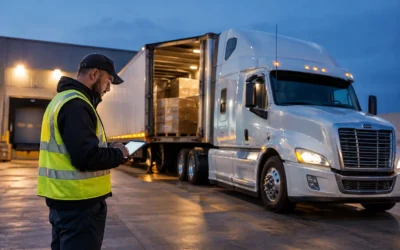
A missed pickup can hold up a crew, stop a production line, or leave a customer waiting for material that was promised. A solid freight planning checklist gives your team the details a carrier needs before the truck is dispatched, so the job starts with clear expectations instead of last-minute calls and avoidable delays.
For time-sensitive commercial freight, planning is not paperwork for its own sake. It is how you protect delivery dates, loading windows, site access, and the people relying on the shipment at the other end.
Start With the Delivery Commitment
Before requesting a quote, confirm what the delivery date actually means to your operation. Is the receiver expecting the freight by the end of the day, before a scheduled installation, or within a narrow appointment window? Those are different service requirements, and they may call for different pickup timing, equipment, or routing.
Work backward from the required delivery time. Include the receiving hours, travel time, loading time, planned breaks, and any site restrictions. If a load must arrive at a construction site before equipment and crews are standing by, communicate that deadline clearly. Saying a shipment is “needed soon” is not enough for dispatch planning.
Be honest about flexibility as well. If delivery can happen any time between 8:00 a.m. and 3:00 p.m., that flexibility can help with scheduling. If the load must arrive at 9:00 a.m. sharp, the carrier needs to know that from the start.
Build Your Freight Planning Checklist Before You Call
A carrier can quote and dispatch faster when the shipment information is complete. Gather the basic facts before the freight is ready at the dock. This reduces back-and-forth communication and helps avoid sending equipment that does not suit the load or location.
Your checklist should include:
- Pickup and delivery addresses, including postal codes, contact names, phone numbers, and site hours
- Required pickup and delivery dates, appointment times, and any deadlines tied to production or customer commitments
- Piece count, total weight, length, width, height, and the weight of individual pieces when applicable
- A clear description of the freight, including whether it is palletized, crated, bundled, loose, oversized, or requires careful handling
- Loading and unloading details, such as dock access, forklifts, cranes, loading staff, and whether the driver is expected to wait
- Equipment needs, including flat deck, curtain side, gooseneck, tridem, or Super B capacity
- Special instructions for securement, tarping, site safety, permits, border documents, or receiver procedures
Photos can also help when the freight shape, loading method, or access conditions are unusual. A photo of a long steel bundle, industrial skid, or jobsite entrance gives dispatch a clearer picture than a short description alone.
Match the Truck to the Load and the Site
Weight is only one part of equipment selection. A load may be within the legal payload for a truck but still require a particular deck length, tie-down arrangement, trailer height, or loading approach. The pickup and delivery sites matter just as much as the freight itself.
For example, a smaller urgent shipment may be a practical fit for a 5-ton flat deck carrying up to 15,000 pounds. Larger industrial freight may require a tridem or Super B configuration capable of handling substantially more weight, up to 90,000 pounds where legal and appropriate. A curtain side may be the better choice when freight needs protection while still requiring side loading access.
Ask practical questions before booking. Can a larger unit safely turn into the delivery site? Is there room to stage the truck? Will the receiver have a forklift available at the agreed time? Does the load need to be loaded from the side, top, or rear? A truck that fits the load but cannot access the site does not keep a schedule moving.
Confirm Loading, Securement, and Unloading Responsibilities
Many freight delays happen at the dock, not on the highway. The shipper may assume the driver will be loaded in 20 minutes, while the warehouse has not staged the freight. The receiver may expect a forklift, but the equipment is being used elsewhere. These issues add waiting time and can affect the rest of the delivery schedule.
Confirm who is responsible for loading and unloading, what equipment will be available, and whether the freight will be ready when the truck arrives. If the load needs tarps, edge protection, chains, straps, or other securement considerations, provide that information during the quote process. Proper securement protects the freight, the public, and the delivery commitment.
Be specific about freight condition at pickup. If pieces are loose, packaging is damaged, or the load differs from the dimensions provided, deal with it before the truck leaves. Catching a problem at origin is usually far easier than sorting it out halfway through a run.
Plan for Access, Safety, and Documentation
Commercial delivery locations are not all built for freight trucks. Industrial yards, rural properties, active construction sites, and busy city receivers each present different access concerns. Share gate codes, check-in instructions, required personal protective equipment, site contacts, and any restrictions on truck entry.
For jobsite deliveries, tell the carrier whether ground conditions are stable and whether there is a designated unloading area. A rain-soaked site, tight turnaround, overhead obstacle, or blocked access road can change the plan quickly. If conditions may change, give dispatch a heads-up early rather than waiting until the driver arrives.
Documentation deserves the same attention. Make sure bills of lading, purchase order details, delivery references, and receiver instructions are correct and ready. If the receiver requires a signed document, appointment number, or specific person to accept the load, include that in the dispatch notes. Clear paperwork prevents disputes about what was delivered, where it went, and who received it.
Leave Room for the Real World
The best freight plan accounts for variables without treating every shipment as a crisis. Traffic, weather, road closures, loading delays, and changing jobsite conditions can affect timing. That does not mean deadlines cannot be met. It means your team should identify what is fixed and what can move before the truck is assigned.
If a shipment is tied directly to a production schedule, say so. If a receiver can accept an early delivery, say that too. A carrier can make better decisions when dispatch understands the operational consequence of a delay. Clear priorities help protect the loads that truly cannot wait.
This is also where local highway experience matters. A carrier familiar with British Columbia routes and select Alberta lanes can plan around the practical realities of mountain travel, regional weather, and commercial delivery points. Hot Shot Delivery Service has been handling deadline-driven commercial freight since 1995, with owner-led accountability from quote review through delivery.
Review the Quote Before Dispatch
A quote should reflect the work required, not just the distance between two addresses. Review the pickup and delivery locations, freight description, equipment type, timing, access requirements, and any special handling instructions. If anything changes after the quote is issued, communicate it right away.
A heavier load, added stop, changed delivery date, or different unloading method can affect the equipment and schedule. Early notice gives the carrier the best chance to adjust without creating a missed pickup or a rushed delivery plan.
Once the job is confirmed, make sure the people at both ends know the plan. Your shipping team should know when the truck is expected. Your receiver should know what is arriving, who is delivering it, and what they need to have ready. That final communication step is simple, but it prevents a surprising number of delays.
Turn Good Information Into a Better Delivery
A freight planning checklist does not need to be complicated. It needs to give dispatch the facts required to send the right truck, arrive at the right time, secure the load properly, and deliver without unnecessary surprises. For urgent shipments, detailed planning is often the difference between a controlled turnaround and a costly disruption.
When the load has a firm deadline, send the shipment details early and request a reviewed quote. A clear plan gives your carrier room to do what they are hired to do: pick up, move, and deliver your freight with accountability.