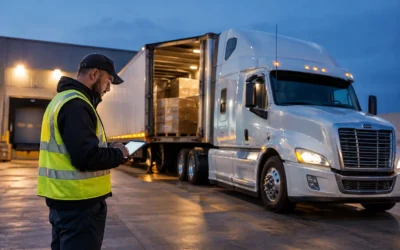
A failed hydraulic pump, a missing conveyor component, or a damaged machine part can stop a job long before the workday is over. When production is waiting, an emergency parts delivery is not simply another freight move. It is a direct response to downtime, missed commitments, and crews standing by for the material they need.
For operations across British Columbia and select Alberta routes, the difference is often in the details: how quickly the shipment is assessed, whether the right truck is available, and whether the carrier understands that a delivery appointment may determine when a plant, site, or service crew can get back to work.
When Emergency Parts Delivery Is the Right Call
Not every urgent shipment requires an expedited truck. If a replacement part can travel with regular freight and still arrive before the next scheduled maintenance window, conventional service may be the better value. But when the delay has immediate operational consequences, waiting for a standard terminal schedule can cost more than the transport itself.
Emergency parts delivery makes sense when a critical part is needed to restart equipment, prevent a production line from falling behind, keep a construction schedule moving, or meet a customer commitment that cannot shift. It is also useful when a supplier has the part ready for pickup but your team does not have the capacity to collect it and bring it directly to the site.
The freight can range from a palletized replacement component to long steel sections, industrial equipment, machinery attachments, or multiple skids of materials. The key is to match the urgency and the load requirements to a practical trucking plan.
A fast response should not mean guesswork. Before dispatching, a carrier needs enough information to confirm the pickup location, delivery location, freight dimensions, weight, loading method, receiving requirements, and the real deadline. Clear facts at the start help avoid a truck arriving without the proper deck, securement plan, or site access information.
Downtime Has More Than One Cost
When a machine is down, the visible cost is often labor waiting on the floor or at the job site. The larger cost may come later: a production order that misses its shipping date, a subcontractor that cannot continue, a customer who must be rescheduled, or a crew working overtime to recover lost hours.
That is why operations managers and production coordinators need a carrier that treats the deadline as part of the load. The objective is not just to move freight quickly. It is to pick up the correct part, protect it in transit, communicate clearly, and get it to the right person without adding another problem to an already difficult day.
Direct communication matters especially on urgent moves. If a supplier is delayed releasing the freight, a receiver changes the contact person, or site conditions affect access, the shipper needs practical updates. A local, owner-led carrier can make decisions close to the work instead of passing a time-sensitive issue through several layers of dispatch.
The Right Truck Can Save Hours
An emergency shipment can lose valuable time when it is assigned to equipment that does not suit the freight. A part may be urgent, but it still has to be loaded safely, secured correctly, and delivered on a truck that can handle its size and weight.
A versatile fleet gives commercial shippers more options. A 5-ton flat deck can be a strong fit for smaller loads up to 15,000 pounds where direct loading and fast site access are priorities. Larger industrial freight may require a tridem, gooseneck, curtain side, or Super B configuration. For major loads, Super B capacity can handle up to 90,000 pounds when the route, permits, and load details support it.
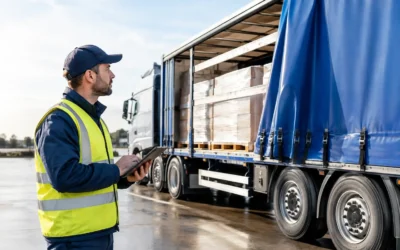
The equipment choice depends on more than weight. Consider the freight length, whether it needs weather protection, whether it can be loaded from the side or top, and what equipment is available at pickup and delivery. A curtain side may protect a shipment that cannot be exposed to the elements, while an open flat deck may be the practical option for oversized components that require crane loading.
When requesting a quote, provide dimensions and total weight whenever possible. Let the carrier know if the part is on a skid, in a crate, loose, or requires special handling. A photo can also help clarify how the freight will be loaded and secured. Those details allow dispatch to send equipment that works the first time.
What a Fast Dispatch Process Should Look Like
Under pressure, a simple process is a better process. The goal is to move from problem to pickup without leaving key details unresolved.
Start by explaining what happened and when the part must arrive. Identify the pickup contact, supplier hours, delivery contact, and any receiving deadline. If the part is needed at a mine, industrial yard, construction site, or manufacturing facility, share site access instructions before the truck is on the road.
Next, confirm the freight. Weight, dimensions, packaging, loading method, and any special requirements determine the right truck and help establish an accurate quote. If the part must remain dry, needs tarping, or requires a specific delivery arrangement, say so early.
Once the quote is reviewed and approved, the load can be dispatched for pickup. A dependable carrier should be clear about the plan, not vague about whether the freight is actually moving. For urgent jobs, knowing who is handling the shipment and what happens next gives the customer room to manage the rest of the operation.
Finally, keep the delivery practical. Confirm who can receive the part, whether unloading equipment is available, and whether the site has restrictions for commercial trucks. A 20-minute delay at a gate can matter when a maintenance crew is waiting.
Plan for the Next Emergency Before It Happens
Emergency freight will never be completely predictable. Equipment fails, suppliers run short, and critical components arrive damaged. Still, businesses can reduce response time by preparing a few basics before the next call comes in.
Keep current supplier contacts, after-hours numbers, common part weights, and delivery site instructions available to the people who arrange freight. If your operation regularly moves replacement parts or materials between the same locations, document the pickup and receiving requirements. Knowing whether a location has a forklift, crane, dock, or restricted access removes unnecessary back-and-forth when time is tight.
It also helps to identify which items are truly production-critical. Not every missing part needs a dedicated truck, but the parts that keep equipment running should have a clear escalation plan. That plan may include an approved expedited freight provider, decision authority for urgent transport, and a realistic understanding of your operating cutoff times.
For companies in the Okanagan and across BC, regional highway knowledge can make a real difference. Weather, road conditions, mountain routes, site access, and distance all affect the delivery plan. A carrier familiar with the region can set expectations based on the actual route rather than an estimated transit time on a screen.
Choose Accountability Over Promises
An emergency delivery is often arranged during a difficult shift, after a supplier closes, or while a supervisor is trying to explain a delay to customers and crews. The carrier should make that situation easier, not create more uncertainty.
Hot Shot Delivery Service has served commercial shippers since 1995 with the equipment, local knowledge, and direct accountability required for deadline-driven freight. From urgent replacement parts to larger industrial loads, every shipment begins with a practical review of what needs to move and how quickly it needs to arrive.
When downtime is affecting your production schedule, have the shipment details ready and request a quote. The right truck, a clear dispatch plan, and a carrier that follows through can help turn a stopped operation into a problem being solved.