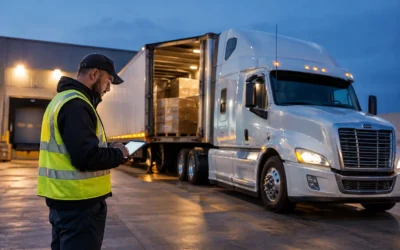
A truck can arrive exactly when promised and still lose time at the dock. The usual cause is not the highway. It is a missing contact, an unprepared load, an incorrect weight, or a receiver who was never told the freight was coming. The best practices for freight handoffs start before dispatch and continue until the receiving party confirms the load is in the right hands.
For manufacturers, construction firms, distributors, and industrial operations, a clean handoff protects more than a delivery date. It protects crew time, production schedules, customer commitments, and the next truck on the schedule. Here is how to make each transfer of responsibility clear, safe, and quick.
Start With One Complete Shipment Record
Every handoff should work from the same shipment record. If the person booking freight, the shipper, the driver, and the receiver each have slightly different information, someone will be making decisions based on assumptions. That is where avoidable delays begin.
Before requesting a quote or dispatching a load, confirm the pickup and delivery addresses, site contacts, phone numbers, operating hours, required arrival times, commodity description, piece count, dimensions, and total weight. Include the equipment needed for loading and unloading, whether that is a forklift, crane, loading dock, ramp, or site crew.
Be specific about the load itself. A 12,000-pound palletized shipment and a 12,000-pound piece of machinery can require very different equipment, securement, and access planning. If the shipment is oversized, fragile, weather-sensitive, or must remain upright, state that clearly at the start.
A reviewed quote is a useful checkpoint. It gives the carrier a chance to match the load with the right truck configuration and identify access or timing issues before a driver is on site. For expedited freight, that review matters even more because there is less room to recover from missing details.
Give Every Party a Clear Point of Contact
A freight handoff is not complete because a company name appears on a bill of lading. Drivers need a person who can answer the phone and make a decision when they arrive.
At both pickup and delivery, provide a primary contact and a backup contact with direct phone numbers. Tell those contacts the expected pickup or arrival window, what freight is moving, and what they need to have ready. A receiving office may know a shipment is due, while the warehouse team, jobsite foreman, or yard operator does not. Those gaps can leave a loaded truck waiting at the gate.
The best contact is someone with operational authority. They should be able to direct the driver to the correct entrance, arrange unloading, verify paperwork, and address a problem without sending the driver through several layers of approval.
If a site has check-in rules, security procedures, personal protective equipment requirements, or a specific staging area, include them in the dispatch instructions. Never assume a driver who has been to a facility before will see the same conditions on the next visit. Shift changes, construction activity, and busy receiving periods change the flow of a site quickly.
Match the Truck to the Load and the Site
Truck capacity is only one part of equipment selection. The right equipment must also suit the freight, the loading method, the route, and the space available at each end.
A flat deck may be the practical choice for equipment or materials loaded by crane. A curtain side can protect freight while allowing side access. A gooseneck can be valuable for certain equipment and smaller jobsite deliveries. Larger loads may require tridem or Super B capacity, but that does not help if the delivery site cannot safely accommodate the unit.
Share the details that affect this decision: low clearances, narrow gates, soft ground, steep approaches, limited turning space, and whether the site can handle a larger trailer. A truck that is ideal for highway capacity may not be ideal for a tight urban yard or an active construction site.
This is an area where the lowest quote is not always the lowest-cost choice. Sending the wrong equipment can create rehandling, detention, missed appointments, or damage exposure. Choosing the proper unit at the outset keeps the handoff moving and protects the shipment.
Prepare the Freight Before the Truck Arrives
The pickup site owns the first handoff. Freight should be counted, packaged, labeled, and accessible before the truck checks in. A driver should not be waiting while items are still being built, wrapped, located, or separated from other orders.
For repeat lanes, establish a standard staging area and labeling method. Each piece should show the consignee, destination, purchase order or job number, and handling instructions where appropriate. For mixed loads, make sure the team understands which freight goes on first and which must be unloaded first. Loading sequence matters when there are multiple stops.
Use a quick pre-pickup check for these items:
- Correct piece count, weight, and dimensions
- Secure packaging and visible handling labels
- Required paperwork, permits, or site documents
- Loading equipment and trained personnel ready
- Clear access to the freight and a safe loading area
A short check at pickup is far cheaper than discovering a missing crate or incorrect weight after the truck is already on the road.
Document Condition and Transfer of Responsibility
Paperwork is not just an administrative task. It is the record of what was collected, how it appeared, and who accepted it. The bill of lading should match the actual shipment, including piece count and any special handling requirements.
If freight has visible damage, unusual packaging, exposed surfaces, or known concerns, record that condition before loading. Photos can help when appropriate, especially for machinery, high-value components, or freight that has changed hands several times. The goal is not to create friction. It is to give everyone an accurate record if questions arise later.
At delivery, the receiver should inspect the shipment before signing whenever practical. If there is an exception, shortage, or visible issue, note it clearly rather than relying on a phone call after the driver has departed. A signed delivery record with useful notes resolves far more than memory ever will.
Keep Communication Active When Conditions Change
Production schedules and trucking schedules both change. The problem is rarely the change itself. The problem is finding out too late to make a workable adjustment.
If freight will not be ready at the scheduled pickup time, tell the carrier as soon as possible. If a site closes early, a crane is delayed, a customer changes a delivery window, or weather affects access, communicate that immediately. Early notice gives dispatch a chance to adjust the truck, route, or appointment before the delay becomes expensive.
The same standard applies to the carrier. If traffic, road conditions, mechanical concerns, or an earlier delay affects the plan, the shipper and receiver need a clear update with a realistic next step. Vague messages do not help an operations team plan labor or production. A useful update explains what changed, what it means for the delivery window, and what action is being taken.
With Hot Shot Delivery Service, direct owner-led accountability helps keep those conversations practical. The focus is on getting accurate information to the people who need it and keeping time-sensitive freight moving across British Columbia and select Alberta routes.
Build a Repeatable Process for Regular Freight
Companies that ship regularly should not rebuild the handoff process for every load. Create simple lane instructions for frequent pickups and deliveries: contacts, hours, entry directions, loading method, equipment requirements, common freight details, and known site restrictions.
Review those instructions after a problem or major site change. If a delivery regularly waits for a forklift, the issue may be appointment timing rather than carrier performance. If drivers repeatedly struggle to find the correct entrance, update the dispatch notes. Small corrections become meaningful when a lane runs every week.
It also helps to measure handoff performance. Track waiting time, missed pickup windows, paperwork exceptions, damage claims, and recurring access issues. The numbers will show whether the problem sits at the shipper, carrier, receiver, or site level. That makes improvement more direct than simply asking everyone to communicate better.
Make the Final Delivery Easy to Accept
The last handoff deserves the same planning as the first. Confirm the receiver knows the expected arrival time, has room to unload, and understands who is authorized to sign. For jobsite deliveries, confirm that the material is going to the right area and that the crew has the equipment to move it safely after the truck is unloaded.
When a deadline matters, build a little practical protection into the plan. A delivery scheduled exactly at shift change or at the end of a receiving window has no margin for a traffic delay or a slow gate. Sometimes an earlier delivery window, a backup contact, or a better staging plan is all it takes to keep the day on track.
A dependable freight handoff is built from clear facts, ready people, suitable equipment, and timely updates. Bring those details to the quote request, and your carrier can spend less time chasing information and more time delivering the freight where your operation needs it.