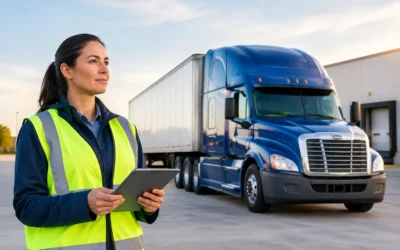
A production line is waiting on one part. A jobsite needs material before the crew arrives tomorrow morning. A customer has committed to a delivery date that cannot move. In those moments, asking what is hot shot delivery is really asking a more practical question: how quickly can a capable truck be dispatched to move this load where it needs to go?
Hot shot delivery is expedited commercial freight transportation for time-sensitive loads. Instead of waiting for a standard freight cycle, a dedicated truck is assigned to pick up and deliver a shipment on a schedule built around the urgency of the job. It is a practical option for businesses that need equipment, materials, products, or industrial freight moving without unnecessary terminal stops or avoidable delays.
For commercial shippers, hot shot service is not about rushing carelessly. It is about matching the right truck, driver, route, and delivery timing to the shipment so production schedules, customer commitments, and field operations stay on track.
What Is Hot Shot Delivery and How Does It Work?
A hot shot shipment typically begins when a business has a load that needs prompt, direct attention. The shipper provides the pickup and delivery locations, dimensions, weight, freight type, timing requirements, and any site-specific instructions. The carrier reviews the job, confirms the appropriate equipment and availability, provides a quote, and dispatches the truck.
Once dispatched, the freight is picked up and transported to its destination with a focus on meeting the agreed delivery window. Depending on the load and route, that may mean same-day service, next-day delivery, or a scheduled direct run that fits a tight operational deadline.
The defining feature is responsiveness. Unlike freight that may sit at a terminal waiting for consolidation, hot shot delivery is built for loads that need to keep moving. That can reduce handling, simplify communication, and give a shipper clearer control over pickup and delivery timing.
It does not mean every hot shot load is small. The term is often associated with pickups and trailers, but commercial hot shot work can involve substantial freight. The right carrier may use a flat deck, curtain side, tridem, gooseneck, or Super B configuration based on the size, weight, securement needs, and destination of the shipment.
When Businesses Use Hot Shot Freight Service
Hot shot delivery is most useful when a delay has a real operational cost. A manufacturer may need replacement components to avoid losing a shift. A construction contractor may need structural materials or equipment delivered before a scheduled crew mobilizes. A distributor may need to replenish inventory for a customer commitment. Industrial operations may require a part, tool, or piece of machinery moved quickly between sites.
It also works well when a load does not fit neatly into a standard parcel or courier network. Long materials, machinery, crated products, palletized freight, and jobsite supplies often need open-deck capacity or specialized trailer access. In those cases, the question is not only how fast the freight can move, but whether it can be loaded, secured, and delivered properly.
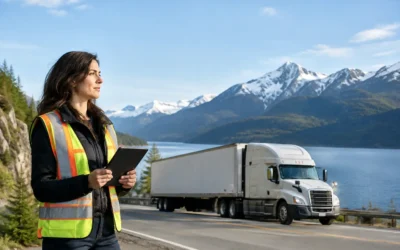
For shippers in British Columbia, route knowledge matters as much as dispatch speed. Mountain passes, changing weather, remote jobsite access, loading restrictions, and highway conditions can affect the best plan for a time-sensitive move. An experienced regional carrier can account for those realities before the truck is rolling instead of treating them as surprises later.
Hot Shot Delivery vs. Standard Freight
Standard freight is often the right choice when timing is flexible and transportation cost is the primary concern. A shipment may be combined with other freight, transferred through terminals, or moved on a regular lane schedule. This approach can be efficient for routine replenishment and planned inventory movements.
Hot shot delivery is different because the shipment receives more direct attention. It is generally chosen when the cost of waiting exceeds the added cost of expedited transportation. The truck and schedule are selected for the job, rather than asking the job to fit a broader freight network.
That trade-off should be considered honestly. Expedited service is not necessary for every shipment. If a load can arrive several days later without affecting operations, standard freight may be the better fit. But when a missed delivery affects labor, production, equipment uptime, a customer deadline, or a project milestone, a dedicated hot shot run can protect far more than the freight itself.
Hot shot service also differs from a courier. Couriers are designed for documents, parcels, and smaller packages. Hot shot carriers handle commercial loads that may require freight securement, flat deck space, heavier payload capacity, site coordination, and professional commercial trucking equipment.
Choosing the Right Truck for the Load
The best hot shot delivery plan starts with the equipment, not just the deadline. A shipment that fits physically on a truck still needs to be within legal payload limits and properly secured for the route. The loading method, unloading equipment at the destination, weather exposure, and load dimensions all influence the right choice.
A flat deck is often a strong option for machinery, construction supplies, oversized materials, and freight loaded by crane or forklift. Curtain side equipment can offer better weather protection while still providing practical side access. Gooseneck and tridem configurations can serve a range of commercial freight needs, while Super B units are suited to major payloads that require high-capacity transportation.
At Hot Shot Delivery Service, fleet capacity ranges from approximately 15,000 pounds on a 5-ton flat deck truck to up to 90,000 pounds on a Super B truck. That range matters because an urgent shipment should not be forced onto equipment that is too small, too large, or poorly suited to the job. The goal is a safe, efficient move that meets the schedule without creating handling issues at either end.
Information That Helps Dispatch Move Faster
A clear quote request helps a carrier respond with an accurate plan. The basic information is straightforward: pickup and delivery locations, freight description, piece count, dimensions, total weight, and the required pickup or delivery time. If the freight is fragile, high-value, unusually shaped, temperature-sensitive, or subject to special handling requirements, say so from the start.
Site details are equally valuable. Let dispatch know whether a forklift, crane, dock, loading crew, or appointment is required. Mention restricted access, construction-site conditions, receiving hours, or any contact who must be present. These details help prevent a truck from arriving at a site only to lose time waiting for access or unloading support.
For repeat lanes or regular urgent shipments, sharing typical load details can make future dispatch even more efficient. A carrier that understands your products, facilities, and delivery expectations is better positioned to respond when the next time-sensitive request comes in.
Reliability Is More Than a Fast Pickup
A truck arriving quickly is only one part of reliable hot shot delivery. The shipment must be quoted accurately, matched with suitable equipment, loaded safely, tracked through the route, and delivered with clear communication when timing changes. That is where direct accountability makes a difference.
For a family-operated carrier, the work is personal. The freight may represent a customer’s production schedule, a contractor’s crew, or a supplier’s reputation with its own client. Treating every load as a line item misses the point. A dependable carrier understands that a late truck can create costs far beyond a freight invoice.
Businesses should also ask practical questions before booking: Is the carrier equipped for the load weight and dimensions? Does it regularly run the required route? Can it handle jobsite or industrial deliveries? Who will provide updates if conditions change? A clear answer to these questions is more valuable than a vague promise to deliver fast.
Hot Shot Delivery Across British Columbia
British Columbia freight moves through demanding conditions. Deliveries may run between Kelowna, the Lower Mainland, the Kootenays, the Okanagan, northern communities, industrial sites, and select Alberta routes. Each lane has its own timing realities, from mountain weather to traffic patterns and seasonal road restrictions.
That is why an expedited freight plan needs local highway experience. The fastest route on a map may not be the most practical route for a loaded commercial truck. A delivery commitment has to account for the load, the equipment, the road, and the receiving site.
When timing matters, provide the shipment details early and request a quote built around the actual job. The right hot shot delivery plan keeps your freight moving, gives your team a clear expectation, and helps protect the schedule that depends on it.