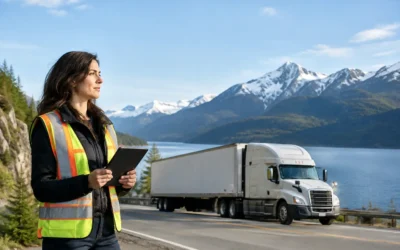
A production line is waiting on a replacement part. A construction crew needs material before the next shift. A customer order has to leave today, not when the next scheduled freight run has room. When timing carries that much weight, a Kelowna hot shot delivery service is not simply moving freight. It is protecting the commitments your business has already made.
For commercial shippers, expedited trucking should bring clarity when a deadline is tight. You need to know what equipment is coming, whether the truck can legally and safely handle the load, when pickup will happen, and who is accountable until delivery is complete. That is the standard Hot Shot Delivery Service works to meet for businesses throughout British Columbia and select Alberta routes.
When Expedited Freight Is the Right Call
Hot shot delivery is a practical choice when the cost of delay is greater than the cost of putting a dedicated truck on the road. That may mean avoiding downtime at a plant, keeping a job site supplied, recovering from an inventory shortfall, or meeting a delivery promise for a key customer.
It is not always the best answer for every shipment. If freight is flexible, can wait for consolidation, and has no impact on labor, production, or a customer deadline, a scheduled freight option may be more economical. But when a shipment needs direct attention and a fast turnaround, waiting for regular freight can create a larger and more expensive problem.
The value is in the response. A dedicated commercial truck is assigned to the job, pickup is arranged around your requirements, and the load moves on a defined plan rather than sitting through extra terminal handling or waiting for the next available run.
A Kelowna Hot Shot Delivery Service Built Around the Load
Urgent does not mean one-size-fits-all. The truck that works for a palletized shipment may be the wrong choice for long structural material, equipment that needs securement, or a heavy industrial load. Sending too little capacity can create delays and safety concerns. Sending more truck than needed can add unnecessary cost.
That is why the load details matter before dispatch. Weight, dimensions, loading method, unloading access, freight condition, pickup and delivery windows, and route all affect the equipment decision. A clear quote begins with an honest review of those requirements.
A versatile fleet allows a carrier to match equipment to the work. Flat deck trucks suit freight that can be loaded from the side or top and does not require enclosure. Curtain side equipment provides practical access while offering more weather protection. Gooseneck and tridem configurations provide options for specialized and heavier commercial loads. For larger volume and weight requirements, Super B equipment can carry substantial freight.
Capacity matters as much as configuration. Loads may range from up to 15,000 pounds on a 5-ton flat deck truck to as much as 90,000 pounds on a Super B, depending on the shipment, route, and legal operating requirements. The right capacity keeps the freight plan efficient while giving your team confidence that the shipment has been assigned correctly from the start.
What Shippers Should Have Ready for a Fast Quote
A quick quote does not require a complicated process, but it does require accurate information. The more complete the shipment details are at the start, the fewer surprises arise after the truck is dispatched.
Have the pickup and delivery addresses ready, along with site contacts and requested timing. Confirm the total weight, overall dimensions, number of pieces, and whether the freight can be loaded by forklift, crane, dock, or other equipment. If the shipment has special securement, access, or handling needs, say so early. A job site with restricted hours or a receiver without unloading equipment changes the plan.
It also helps to explain what makes the shipment time-sensitive. Is a crew standing by? Is a production schedule at risk? Does the receiving business close at a fixed time? Those details help prioritize the pickup window and build a delivery plan that reflects the actual business need, not just a street address.
Once requirements are reviewed, the job can be quoted, equipment can be assigned, and dispatch can be confirmed. Clear information upfront is one of the simplest ways to protect a tight deadline.
Direct Accountability Makes a Difference
Freight problems rarely happen during convenient hours. A late supplier, a changed loading time, weather, traffic, or an issue at the receiving site can put pressure on an otherwise straightforward move. What matters is not a promise that nothing will change. It is having a carrier that responds directly when it does.
A family-owned carrier brings a personal level of accountability to commercial transport. The people responsible for the service understand the roads, the regional customers, and the cost of a missed deadline. They also understand that operations managers and procurement teams need straight answers, not vague updates.
Regional highway experience is especially valuable in British Columbia. Mountain corridors, changing weather, construction zones, and distance between communities all influence travel planning. A driver who knows the working realities of BC routes can make better decisions before the truck leaves and communicate quickly if conditions require an adjustment.
For shippers, that means less uncertainty. You are not handing a critical load into an anonymous process and hoping the details get passed along. You are working with a local commercial carrier that has a direct stake in getting the job completed properly.
The Dispatch Process Should Stay Simple
The process for urgent freight should be easy to follow, even when the shipment itself is complex:
- Submit the load requirements, including weight, dimensions, locations, timing, and site needs.
- Receive a reviewed quote based on the equipment and route required for the job.
- Confirm the shipment so dispatch can schedule pickup and assign the appropriate truck.
- The load is picked up, secured, transported, and delivered according to the agreed plan.
Each step has a purpose. Reviewing the job before quoting helps avoid equipment mismatches. Confirming the dispatch details prevents missed loading windows. Securement and delivery planning protect the freight, the driver, and the schedule.
For repeat customers, the process can become even more efficient because the carrier understands familiar sites, equipment needs, and delivery expectations. That familiarity is valuable when the next urgent shipment appears with little notice.
Protecting Production Schedules Beyond Kelowna
Kelowna businesses often operate across a wider network than the city itself. Materials may need to reach the Lower Mainland, the Kootenays, the Okanagan, northern BC, or an Alberta destination. Equipment may be coming back from a project. A distributor may need to reposition product quickly to meet demand in another market.
The route should be planned around more than distance. Delivery appointments, road restrictions, loading readiness, weather conditions, and receiver access all influence the real timeline. A dependable trucking partner asks the questions that prevent a rushed dispatch from becoming a preventable delay.
If a shipment is oversized, unusually heavy, high-value, or difficult to load, build in time for the right review. The fastest decision is not always the one that gets a truck moving first. It is the one that assigns suitable equipment, confirms safe handling, and gets the freight delivered without a second attempt.
When your next shipment has a production schedule, tight deadline, or fast turnaround attached to it, provide the full load details and request a quote early. A clear conversation before pickup gives the truck, the driver, and your receiving team the best chance to keep the day moving forward.