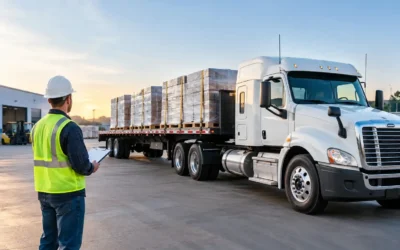
A late truck is frustrating. An unsafe truck, poorly matched equipment, or unclear dispatch plan can be far more costly. A thorough carrier safety review gives your team a practical way to assess who will handle the load before it leaves your yard, supplier, or job site. For deadline-driven freight, safety is not separate from service. It is part of delivering on time, protecting the product, and keeping your production schedule moving.
What a Carrier Safety Review Should Tell You
The purpose of a carrier safety review is not to turn your operations team into transportation regulators. It is to answer a few direct questions before you commit freight to a truck: Is this carrier authorized and properly insured? Do they have the equipment and securement capability for this load? Can they communicate clearly and execute the trip without creating avoidable risk?
For a one-time shipment, a short review may be enough. For recurring lanes, high-value equipment, oversized material, or loads tied to a shutdown or production deadline, the review should be more detailed. The consequences of a bad decision are not limited to damaged freight. You may face missed installation dates, crews waiting on site, production downtime, rejected deliveries, or a customer commitment that cannot be recovered.
A dependable carrier should be comfortable answering direct questions. Clear answers, current paperwork, and realistic delivery planning are good signs. Hesitation, vague commitments, or a quote that does not account for the actual load requirements deserve a closer look.
Start With Operating Authority and Insurance
Every commercial carrier should be able to confirm that it is legally operating in the jurisdictions required for the shipment. For freight moving within British Columbia, ask about applicable provincial commercial carrier credentials and safety standing. If the shipment crosses into Alberta, the United States, or another jurisdiction, verify that the carrier is authorized for that route and understands any added requirements.
Insurance matters just as much, but the lowest acceptable coverage is not always the right coverage for the freight. Ask for current proof of liability and cargo insurance, then compare the cargo limit with the actual value of the shipment. A machine component, specialty material, or customer-owned equipment may require more protection than a standard palletized load.
This conversation should also identify exclusions. Certain commodities, unattended equipment, unusual loading conditions, or high-value items can have specific coverage limitations. It is better to know those details before dispatch than after a claim.
Match the Truck to the Freight
A carrier can have proper credentials and still be wrong for the job. Equipment fit is one of the most useful parts of a carrier safety review because it directly affects load securement, route planning, loading time, and delivery access.
Give the carrier accurate information: total weight, dimensions, number of pieces, pickup and delivery locations, loading method, unloading method, required arrival time, and any site restrictions. Photos are useful when the freight has an unusual shape, overhang, exposed components, or a delicate finish.
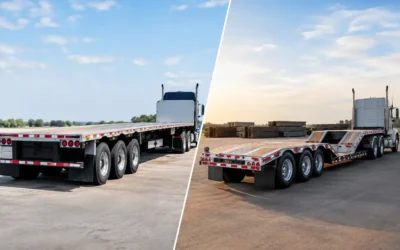
A flat deck may be the right choice for machinery, steel, building materials, and freight loaded by crane or forklift. A curtain-side unit can offer better weather protection while keeping side-loading access. Gooseneck, tridem, and Super B configurations each serve different payload and operating needs. The point is not to request the biggest truck available. It is to use equipment with the capacity, deck space, tie-down points, and access required for the load.
Weight also needs a real-world review. A carrier should consider axle distribution, not simply the total shipment weight. A load that is within gross weight limits can still be improperly positioned or unsuitable for a particular configuration. Experienced dispatchers ask the extra questions because they know a quick yes can become a roadside delay, a rework at pickup, or an unsafe trip.
Ask How Freight Will Be Secured and Protected
Securement is where a safe freight plan becomes visible. The carrier should be able to explain how the cargo will be restrained and protected based on its weight, shape, and vulnerability. That may involve chains, binders, straps, edge protection, blocking, bracing, tarps, or other methods appropriate to the shipment.
There is no one answer for every load. Heavy fabricated steel needs a different approach than crated equipment. A weather-sensitive product may need a curtain-side trailer or protection on an open deck. A shipment with painted or finished surfaces may require added care to prevent strap damage, moisture exposure, or movement during transit.
Ask who is responsible for loading and whether the pickup site has the right equipment available. A carrier cannot safely load freight if the shipper has not provided accurate weight information, safe lifting points, or adequate space for the truck and loading equipment. Good safety performance is a shared process between shipper, carrier, and receiver.
Look Beyond the Truck to the Driver and Dispatch Plan
The truck gets attention because it is visible. The driver and dispatch process are just as important. Reliable carriers use qualified drivers who understand the equipment they operate, inspect their vehicles, and know when a route, load, or site condition requires a different plan.
Ask how the carrier handles pickup confirmations, delivery updates, delays, and after-hours issues. You do not need a complicated reporting system for every shipment, but you do need a clear point of contact. If a road closure, loading delay, weather event, or receiver issue affects the schedule, your team should hear about it early enough to respond.
This matters most on expedited freight. Fast turnaround does not mean pushing past safe driving limits, skipping inspections, or making delivery promises that do not account for traffic, weather, loading time, and legal operating requirements. A carrier that gives a realistic pickup and delivery window is more valuable than one that promises an impossible arrival time to win the quote.
Documents Worth Requesting Before Dispatch
For higher-risk, higher-value, or recurring freight, keep a simple carrier file. It makes future bookings faster and gives purchasing, operations, and site teams a consistent process. Request and review these items as appropriate:
- Current operating credentials for the planned service area
- Certificates of liability and cargo insurance
- Equipment details and load-capacity confirmation
- Contact information for dispatch and after-hours updates
- Any job-specific requirements for permits, securement, access, or special handling
The exact file depends on the shipment. A regular local delivery of standard material may require less review than a 90,000-pound industrial load moving on a Super B configuration. Let the exposure guide the effort.
Watch for Red Flags Before You Book
A low quote can be legitimate, especially when a carrier has equipment already positioned near the pickup. It can also conceal missing scope. Be cautious when a rate does not reflect the equipment required, waiting time, securement needs, difficult site access, or the true urgency of the delivery.
Other warning signs include a carrier that cannot explain its equipment, will not provide current insurance information, avoids questions about weight and dimensions, or offers no clear dispatch contact. A carrier should not need every answer immediately, but it should take ownership of finding the answer before the truck arrives.
Pay attention to communication during the quoting stage. If updates are slow, details are lost, or your request must be repeated several times, that pattern may continue when the freight is on the road. The best carrier relationships are built on direct information, not assumptions.
Make the Review Part of Your Shipping Routine
A carrier safety review works best when it is completed before an urgent shipment appears. Set basic approval standards for new carriers, keep records current, and review performance after significant jobs. Did the truck arrive prepared? Was the freight handled properly? Were pickup and delivery updates accurate? Did the carrier resolve issues without passing responsibility back to your team?
For commercial shippers across British Columbia, local route knowledge can make a meaningful difference. A carrier familiar with regional highways, industrial sites, weather patterns, and tight turnaround expectations is better positioned to plan the work realistically. Hot Shot Delivery Service has worked from Kelowna since 1995 with equipment options for smaller urgent loads through heavy industrial freight, but the same standard applies to any carrier you consider: capability should be supported by clear planning and accountable execution.
Before your next time-sensitive shipment, send complete load details with your quote request and ask the safety questions early. The right carrier will treat those questions as part of doing the job properly, then give you a plan your operations team can rely on.