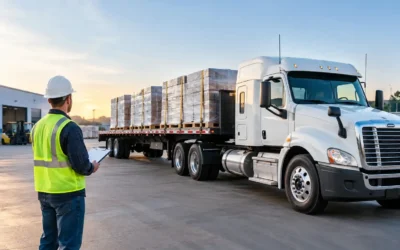
A shipment can be ready, loaded, and paid for, yet still put a production schedule at risk if it is booked under the wrong freight arrangement. The choice between dedicated versus shared truckload shipping affects who controls the trailer, how many stops are involved, how predictable the transit plan is, and what the shipment costs. For commercial shippers, it is not simply a question of getting a better rate. It is a question of protecting a deadline.
A dedicated truck gives your freight the full attention of the vehicle and driver for the booked move. Shared truckload service combines compatible freight from more than one customer, allowing transportation costs to be distributed across the load. Both can be the right choice. The best fit depends on delivery timing, freight characteristics, load size, handling requirements, and the real cost of being late.
Dedicated Versus Shared Truckload Shipping at a Glance
Dedicated truckload shipping means a truck is assigned to your shipment. Your freight may not always fill every available pound or foot of capacity, but the equipment is scheduled around your pickup and delivery requirements. Once loaded, the truck moves according to the agreed route and appointment plan rather than waiting on other freight to fill space or fit a multi-customer route.
Shared truckload shipping, sometimes called partial truckload or consolidated freight, uses available capacity alongside other shipments moving in a similar direction. It is often a practical option when a load is too large for parcel service but does not justify paying for an entire truck. The carrier plans pickup and delivery around the combined freight schedule.
The difference is straightforward: dedicated service buys control and speed, while shared service can reduce transportation cost when there is room in the schedule. Neither option is automatically better. A construction site waiting on a critical piece of equipment has different needs than a distributor replenishing non-urgent inventory.
When a Dedicated Truck Is the Better Business Decision
Dedicated service is built for freight that cannot afford extra stops, terminal handling, or uncertainty around another customer’s schedule. It is often the preferred choice for time-sensitive materials, production parts, equipment, and high-value loads that need direct attention from pickup through delivery.
A dedicated truck is especially useful when delivery appointments are firm. If a crew, crane, receiving team, or production line is scheduled for a specific time, a direct move limits the variables that can disrupt that plan. The driver is not making unrelated pickups or deliveries before reaching your destination.
It also gives shippers clearer visibility. There is one load plan, one vehicle, and one primary delivery commitment. That makes it easier for an operations manager to coordinate receiving labor, jobsite access, unloading equipment, and customer communication.
Dedicated transport can cost more upfront because the customer is reserving equipment capacity. But the freight rate should be measured against the cost of a missed deadline. Downtime, idle crews, delayed production, rescheduled installation work, and disappointed customers can quickly exceed the difference between shared and dedicated pricing.
Dedicated service is often the practical call when your shipment involves:
- A hard delivery deadline tied to production, a jobsite, or a customer appointment
- Specialized loading or unloading requirements that need a specific trailer configuration
- Freight that is high-value, sensitive, oversized, or difficult to handle repeatedly
- A full or near-full load that already uses most of the truck’s available capacity
For these moves, the question is usually not, “Can this be shared?” It is, “What happens if it arrives late?” If the answer creates a costly problem, book the truck around the shipment.
Where Shared Truckload Shipping Makes Sense
Shared truckload shipping can be a smart, efficient choice when delivery has reasonable flexibility and the freight is compatible with other commercial loads. It gives businesses access to truck capacity without paying for space they do not need.
For example, a manufacturer may have a palletized shipment or equipment component that needs to move within a delivery window, but not at a minute-by-minute appointment. A distributor may be restocking inventory ahead of demand rather than responding to an immediate shortage. In these cases, sharing capacity can lower freight expense while still providing dependable commercial transportation.
Shared service works best when the shipper provides accurate details early. Weight, dimensions, pickup location, delivery requirements, freight class, securement needs, and available dates all affect whether a load can be combined efficiently. Incomplete information can create avoidable delays or lead to a truck arriving with the wrong equipment.
There are trade-offs. A shared load may have additional stops, changing route priorities, or a broader delivery window. It may also require more coordination if the shipment has limited receiving hours. That does not make it unreliable. It means the service must be matched to a schedule that can accommodate a planned consolidation.
Capacity and Equipment Matter as Much as Transit Time
The right shipping model starts with the freight itself. A lightweight load that takes up substantial deck space may require a different approach than dense machinery that reaches weight limits before it fills the trailer. A shipment that needs side access, top loading, or specific securement can narrow the available equipment choices.
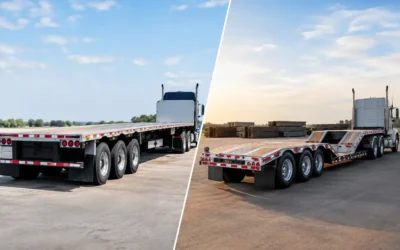
This is where a carrier’s fleet matters. Flat deck, curtain side, tridem, gooseneck, and Super B configurations each serve different freight needs. A smaller urgent shipment may fit a 5-ton flat deck truck carrying up to 15,000 pounds. Heavier industrial freight may require equipment capable of moving loads up to 90,000 pounds, subject to route and legal weight requirements.
Do not assume a shared option is available simply because the shipment is not a full truckload. The load still has to fit safely with compatible freight, meet securement requirements, and work within the route plan. Similarly, do not assume dedicated service requires a full trailer. A direct truck can be the most cost-effective choice when speed, handling, or delivery certainty matters more than unused capacity.
Ask These Questions Before You Request a Quote
A useful quote starts with an honest view of the shipment’s priorities. Before selecting dedicated or shared service, determine whether the delivery date is a preference or a firm operational requirement. Clarify the earliest pickup time, latest acceptable delivery time, and whether the receiver can accept freight outside a narrow appointment window.
Next, identify the consequences of delay. If a late shipment means a production line stops, a crew waits, or a customer order cannot ship, communicate that clearly. Carriers can only build the right plan when they understand what is truly at stake.
You should also provide complete freight details. Include the number of pieces, total weight, dimensions, packaging, loading method, unloading equipment, and any special handling needs. If freight is stackable, weather-sensitive, or requires tarping, say so upfront. A clear shipment description leads to a more accurate quote and a smoother dispatch.
Finally, consider whether the shipment can share space without creating risk. If it can move within a reasonable delivery range and does not require exclusive use of a trailer, shared truckload may be the efficient option. If it needs direct transport and a protected schedule, dedicated service is the stronger choice.
Build the Freight Plan Around the Deadline
The best freight decision is made before the load is sitting on the dock. Give your carrier enough lead time to review the shipment, confirm suitable equipment, and plan the route around your required delivery window. Last-minute freight can still move, especially when expedited service is available, but advance details create more options and better control.
Hot Shot Delivery Service works with commercial shippers across British Columbia and select Alberta routes to review shipment requirements, provide a clear quote, and dispatch equipment that matches the job. That direct, owner-led accountability matters when freight is tied to a tight deadline and there is no room for guesswork.
When requesting a quote, state whether the load needs exclusive use of the truck or whether it can share capacity. If you are unsure, describe the deadline and freight details instead of guessing. A knowledgeable carrier can explain the practical trade-off and recommend the service that protects your operation.
Your freight plan should reflect the pressure behind the shipment. When the load can move on a flexible schedule, shared capacity may keep costs in line. When the delivery supports production, a jobsite, or a customer commitment, reserving a dedicated truck can be the decision that keeps the whole operation moving.