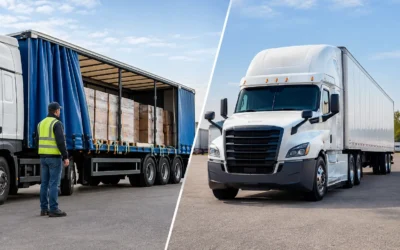
A truck that arrives 30 minutes early can be just as disruptive as one that arrives late if the crane is occupied, the laydown area is full, or the receiving crew is offloaded to another task. Learning how to coordinate jobsite deliveries comes down to controlling the details that affect the truck before it reaches the gate – not trying to solve them when the driver is already waiting.
For construction, industrial, and production teams, every delivery has a ripple effect. Materials that arrive in the wrong sequence can block access to essential equipment. A load without the right unloading plan can tie up a crew. A missed delivery window can leave people, machinery, and subcontractors waiting on site.
The goal is not simply to get freight delivered. The goal is to have the right load arrive safely, at the right place, when the site is prepared to receive it.
Start With the Work Schedule, Not the Shipping Date
A shipping date only tells part of the story. To coordinate a delivery properly, start with the activity the materials support. Ask when the crew will actually need the load, what must happen before installation can begin, and whether another shipment needs to arrive first.
For example, structural steel, forms, rebar, mechanical equipment, and finishing materials all have different timing requirements. Sending them all as soon as they are available may sound efficient, but it can create congestion, damage risk, and unnecessary material handling. Just-in-time delivery often works better because it keeps critical materials moving without turning the jobsite into a storage yard.
Build delivery windows around the job schedule, then allow room for real-world conditions. Traffic, weather, road restrictions, previous stops, and site activity can all affect arrival time. A window gives the carrier flexibility while giving your site team a clear receiving plan.
Give the Carrier a Complete Dispatch Sheet
A carrier cannot protect your schedule without accurate information. The person booking the shipment should provide the details needed to select the right equipment, plan the route, and make a clean handoff at the site.
Before dispatch, confirm:
- Pickup and delivery addresses, including the correct entrance or gate
- On-site contact names and working phone numbers
- Required delivery date and acceptable arrival window
- Freight dimensions, weight, piece count, and loading method
- Equipment or handling requirements, such as a flat deck, curtain side, or forklift access
- Any site restrictions, including overhead lines, soft ground, security procedures, or limited turning space
This is not paperwork for paperwork’s sake. A load that weighs 20,000 pounds, needs side unloading, and must enter through a specific gate requires a different plan than palletized freight that can be unloaded at a receiving dock. Details given at quote time should be checked again before pickup, especially when load dimensions or site conditions change.
If the freight is high-value, fragile, or needed for a fixed production run, state that clearly. The carrier needs to know which shipment cannot sit overnight or be rescheduled without consequences.
Match Delivery Equipment to the Site Plan
The truck configuration needs to work for both the freight and the final delivery point. A trailer that handles the load safely on the highway may still be the wrong choice if it cannot maneuver into the site or be unloaded with available equipment.
Flat deck service is often a practical choice for equipment, steel, building materials, and other freight that requires crane or forklift access from the side. Curtain-side equipment can help protect freight while providing easier side access than a standard enclosed trailer. Larger loads may require tridem, gooseneck, or Super B configurations, but more capacity also means more attention to access, turning radius, and unloading space.
Talk through the unloading method before the truck is dispatched. Will the site use a crane, telehandler, forklift, or manual offload? Is that equipment booked and operational for the delivery window? Does the operator know the load is coming? A driver should not arrive to discover that the forklift is undersized or the crane has been reassigned.
It depends on the site whether the truck should stay for unloading or drop freight at a designated area. For time-sensitive material, waiting for equipment to become available can be more costly than arranging a precise window when the crew is ready.
Prepare the Site Before the Driver Arrives
The receiving team owns the final mile. That means confirming that the route from the road to the unloading point is clear, stable, and safe for the truck.
Walk the route with the actual delivery equipment in mind. Check gate width, turning space, temporary fencing, parked vehicles, overhead hazards, mud, soft shoulders, and active work zones. A site that looks accessible to a pickup truck may not be accessible to a loaded commercial unit.
The laydown area also needs to be ready. Mark where each load should go, keep it clear of traffic lanes, and make sure materials can be accessed later in the order they will be used. If several deliveries are planned for one day, assign separate staging areas whenever possible. This prevents one shipment from blocking another and reduces unnecessary double handling.
A single designated receiver is equally important. The driver needs one person who can answer the phone, direct the truck, confirm the unloading location, and authorize changes if conditions on site have shifted. Multiple contacts with different instructions create delays quickly.
Use Clear Check-In and Status Communication
Good delivery coordination does not require constant calls. It requires the right calls at the right time.
Set expectations when the order is booked. Confirm who will contact the driver or dispatcher, when the site wants an arrival update, and what to do if the truck is delayed. For critical shipments, a notice when the load is picked up and another when it is approaching the site gives the receiving crew time to prepare.
Communication must work both ways. If a jobsite gate closes unexpectedly, a road becomes impassable, or unloading equipment goes down, notify the carrier immediately. Waiting until the driver arrives wastes time and may affect the next scheduled delivery.
With an expedited carrier, provide honest urgency rather than vague urgency. There is a difference between freight that is needed before a 2:00 p.m. production cutoff and freight that would simply be convenient to have early. Clear priorities help dispatch make practical decisions and protect the deliveries that truly cannot move.
Build a Backup Plan for High-Impact Loads
Some deliveries can move by a day without major consequences. Others stop a crew, delay a pour, interrupt a manufacturing line, or push a customer commitment into the next shift. Identify those high-impact loads early and create a fallback plan.
Your backup may include an alternate unloading area, a second site contact, a later delivery window, or prearranged access to another forklift or crane. For remote sites, it may mean checking road and weather conditions before the truck leaves the pickup location. For oversized or heavy freight, it may mean confirming permits, escorts, and route limitations well ahead of time.
A contingency plan does not mean expecting failure. It means making sure one unexpected issue does not turn into a full-day delay. The best time to solve a problem is while the freight is still at the supplier or while the truck has options on the road.
Keep Delivery Records Useful
After delivery, capture what happened while the details are fresh. Note the actual arrival and unload time, where the freight was placed, whether the packaging was inspected, and any exception that affected the schedule. Signed paperwork matters, but operational notes are just as useful for the next shipment.
Patterns become visible quickly. Maybe one supplier consistently releases freight later than promised. Maybe a specific gate creates delays during morning traffic. Maybe certain loads require more unloading time than the schedule allows. Use that information to adjust future windows and avoid repeating the same disruption.
Hot Shot Delivery Service works with commercial shippers that need practical, accountable transportation across British Columbia and select Alberta routes. When requesting a quote, share the delivery window, freight details, access conditions, and unloading plan from the start. That gives dispatch the information needed to put the right truck on the right load.
A well-coordinated jobsite delivery should feel uneventful: the truck arrives, the crew is ready, the load goes where it belongs, and the work continues. That kind of result is built through early planning, direct communication, and a carrier that understands what a missed window can cost.