A scheduled freight pickup service is not simply a truck arriving at a convenient time. For a production coordinator waiting on components, a construction superintendent needing equipment on site, or a distributor trying to meet a customer commitment, the pickup time sets the rest of the job in motion. When that time slips, crews wait, receiving bays back up, and schedules become expensive. The right carrier plans the pickup around the deadline that matters to your business, then follows through with clear communication and the right equipment for the load.
Why Pickup Timing Matters to Freight Performance
Freight planning often receives attention at the delivery end. Customers need a shipment by a certain date, a project needs materials before the next shift, or a manufacturer needs parts to keep a line running. But delivery performance starts long before the truck reaches the receiver. It starts with a confirmed pickup window, accurate load information, and a carrier that understands what is at stake if the freight is not collected when promised.
A scheduled pickup gives your team a dependable handoff point. Your staff can have the product packaged, loaded, and paperwork ready. Your supplier can prepare its dock. Your receiving team can plan for the arrival. That coordination is especially valuable when freight is moving between busy commercial sites across British Columbia or on select Alberta routes, where a missed loading appointment can affect the entire day’s schedule.
There is a difference between a requested pickup time and a planned pickup. A requested time is a preference. A planned pickup is a commitment supported by dispatch, equipment selection, route knowledge, and communication. Businesses with tight turnarounds need the second one.
What a Scheduled Freight Pickup Service Should Include
The best freight service for a deadline-driven shipment begins with a review of the job, not an assumption. Load dimensions, weight, loading method, pickup access, delivery hours, and site requirements all affect the dispatch plan. A truck that is too small, improperly configured, or unable to access the site can turn a simple pickup into a delay.
At Hot Shot Delivery Service, every commercial transport job begins with the details needed to quote and dispatch it properly. That means matching the shipment to a suitable truck configuration, whether the load is best carried on a flat deck, curtain side, tridem, gooseneck, or Super B. Capacity matters as much as urgency. A 5-ton flat deck can handle loads up to 15,000 pounds, while a Super B can carry up to 90,000 pounds for larger industrial freight.
A dependable scheduled freight pickup service should give you three practical things: a confirmed plan, a clear point of contact, and realistic expectations. If a site has limited access, loading delays, special securement needs, or changing hours, those factors should be addressed before dispatch. Straight answers upfront are better than surprises after the truck is on the road.
Schedule the Pickup Around the Job, Not the Truck
Commercial freight is rarely one-size-fits-all. Some loads must move quickly because a customer is waiting. Others need a precise pickup because the loading crew, crane, or warehouse dock is available only during a short window. A scheduled service gives the carrier time to build the move around those operating conditions.
For example, a manufacturer may need finished product collected before warehouse space becomes restricted. A contractor may need steel, machinery, or materials picked up early enough to reach a job site before the next phase of work. A distributor may need freight collected late in the day to support a next-morning delivery. Each shipment has a different pressure point.
The right approach depends on the load and the deadline. Expedited freight may be the best answer when lost time has direct operational costs. For a larger shipment with a firm but less immediate delivery date, careful scheduling and the correct trailer capacity may provide better value. The goal is not to oversell speed. The goal is to protect the schedule that keeps your operation moving.
Information That Makes Pickup Dispatch Faster
A quick quote is useful only when it reflects the actual job. Sending complete shipment information at the beginning reduces back-and-forth and helps dispatch select the right equipment. Before requesting a quote, have these details ready:
- Pickup and delivery addresses, including site contacts and operating hours
- Freight weight, dimensions, piece count, and any special handling requirements
- Loading and unloading method, such as forklift, crane, dock, or ground loading
- Required pickup window, delivery deadline, and any appointment or site-access rules
Photos can also help when freight has unusual dimensions, requires particular securement, or will be loaded at a site with limited room to maneuver. The more accurately a carrier understands the shipment, the more confidently it can schedule the pickup.
Do not overlook loading readiness. Even a well-planned truck arrival can lose time when freight is not packaged, labeled, staged, or accessible. Confirm that the shipper has the right contact on site and knows the vehicle type expected. If paperwork, purchase order references, or delivery instructions must travel with the shipment, make that clear before the truck arrives.
Matching Equipment to the Load
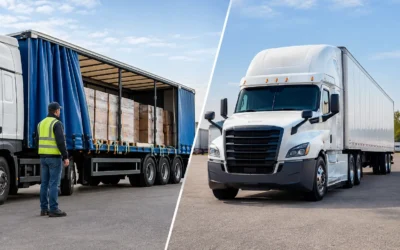
Equipment selection is a practical part of keeping pickup commitments. Flat decks are often the right choice for freight that requires open loading access or carries oversized dimensions. Curtain side equipment can offer weather protection and side loading flexibility. Gooseneck and tridem configurations can suit equipment, materials, and commercial loads that need specific capacity or handling. For major payloads, a Super B provides capacity that smaller equipment cannot.
The trade-off is straightforward: using more truck than the job requires can add unnecessary cost, while using too little truck can create a failed pickup or an unsafe transport plan. A carrier with a varied fleet can make a better match instead of forcing every shipment into the same equipment category.
Payload is only one consideration. The pickup location may determine what is practical. Tight industrial yards, rural properties, construction sites, and crowded urban delivery points all require sound judgment from drivers and dispatchers. Regional highway experience is valuable, but so is knowing what happens before the truck reaches the highway.
Keep Communication Active From Quote to Delivery
A freight pickup should not feel uncertain after the quote is approved. Your team should know what information is needed, what equipment is planned, and how to communicate changes that could affect the move. If the load is delayed at the shipper, the pickup hours change, or the delivery appointment moves, early notice gives dispatch the best chance to adjust.
This is where direct accountability matters. A family-operated carrier has a clear reason to protect every customer’s trust: its name is attached to each pickup, each call, and each delivery. That does not mean conditions never change. Weather, site delays, and loading problems can affect any truck move. It means issues are handled directly and honestly, with the focus on getting the freight moving and keeping the customer informed.
For repeat lanes or regular supply needs, share your anticipated schedule as early as possible. Advance visibility helps reserve suitable capacity and reduces the pressure of arranging transport at the last minute. For urgent freight, provide the complete load details right away and state the actual deadline. Dispatchers can make better decisions when the urgency is clear.
When to Request Your Freight Quote
Request a quote as soon as the shipment requirements are known, particularly for high-value equipment, large industrial loads, appointment-based pickups, or freight tied to a production schedule. Early planning gives more flexibility in equipment and pickup timing. It also allows time to address permits, access limitations, or special handling before they become a problem.
That said, urgent freight does not always arrive with advance notice. A supplier misses a shipment, a job site runs short, or a customer needs an unexpected replacement part. When the timeline is compressed, be direct about the pickup location, load details, and delivery deadline. A responsive carrier can review the job, confirm what is possible, and dispatch with purpose.
Your freight schedule is part of your customer promise. Treat the pickup as the first critical milestone, not an afterthought. Provide clear shipment details, choose equipment that fits the work, and work with a carrier that understands production schedules, tight deadlines, and fast turnaround. When the next load needs to move, request a reviewed quote and put a solid pickup plan behind it.