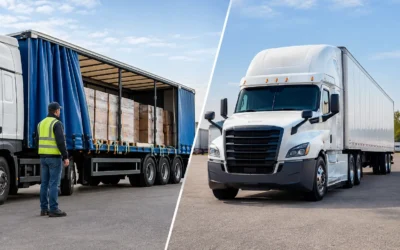
A production line can lose a full shift over one late pallet, one replacement part, or one load of material that did not arrive when promised. For operations teams, the best freight options for manufacturers are not simply the cheapest trucks available. They are the services that match the load, protect the delivery window, and give the shipper a clear answer when the schedule is tight.
Manufacturers often ship under conditions that do not fit a standard freight template. A plant may need steel, components, crated equipment, finished goods, or an emergency replacement part moved on short notice. The right choice depends on shipment size, loading requirements, destination access, and how much time the production schedule can absorb. That is why freight planning should start with the job itself, not with a one-size-fits-all transportation method.
Best Freight Options for Manufacturers: Start With the Load
Before choosing a carrier or truck configuration, define what is actually moving. Weight matters, but it is only one part of the decision. Dimensions, center of gravity, packaging, loading equipment, weather exposure, pickup readiness, and receiving hours all affect the type of service that will work.
A compact but urgent shipment may need a dedicated expedited truck rather than a less-than-truckload network with multiple terminals and handling points. A wide machine component may require a flat deck and proper securement. A large volume of palletized finished goods may be more efficient on a high-capacity combination unit. When these details are clear at the quoting stage, dispatch can send the right equipment from the start.
For a useful freight quote, provide the pickup and delivery locations, ready time, required delivery time, total weight, piece count, dimensions, and whether a dock, forklift, crane, or loading crew is available. If the freight is fragile, unusually long, weather-sensitive, or needs tarping, say so early. Clear information prevents avoidable delays at the curb, yard, or loading bay.
Dedicated Expedited Freight for Time-Critical Shipments
Dedicated expedited service is often the strongest option when a missed delivery creates a production problem. The truck is assigned to your shipment, picked up directly, and moved toward the destination without waiting for unrelated freight to fill space. That direct control is valuable for line-down parts, urgent materials, replacement equipment, and customer orders with a firm appointment.
The trade-off is cost. Dedicated service generally costs more than consolidating freight with other shipments because the equipment and driver are committed to one job. For a shipment that can wait several days, a scheduled consolidated option may be sensible. But when downtime, overtime, missed customer commitments, or a stopped installation crew are on the line, the lowest freight rate can become the most expensive decision.
A responsive carrier should be able to review the job quickly, confirm what equipment fits, and communicate realistic pickup and delivery timing. Do not accept a vague promise of fast service. Ask whether the load will travel direct, whether the equipment is assigned, and who can provide an update if conditions change.
Flat Deck Freight for Equipment, Materials, and Oversized Shapes
Flat deck trucking is a practical choice for freight that cannot be loaded easily through the rear of an enclosed trailer. Manufacturers commonly use flat decks for machinery, fabricated steel, lumber, pipe, tanks, skidded components, and large crated goods. Open-deck access allows loading from the side or above, which can make a major difference when using a crane or forklift.
It also requires more planning. Freight must be properly packaged and secured for highway travel, and weather exposure needs to be considered. A carrier may need straps, chains, edge protection, tarps, or other securement measures based on the freight and route. The shipper should also confirm whether the pickup and delivery sites have enough room for the truck to enter, turn, load, and leave safely.
For smaller urgent loads, a 5-ton flat deck can be a practical fit, with capacity around 15,000 pounds. It is often easier to position at busy industrial sites or locations with limited access than a larger combination unit. For larger material movements, heavier flat deck configurations can provide the capacity a manufacturing operation needs without breaking a shipment into smaller loads.
Curtain Side Service When Protection and Access Both Matter
Curtain side equipment is useful when freight needs more protection than an open deck provides but still benefits from side loading. The curtains can be opened to provide broad access for forklifts, while the enclosed sides help shield freight from rain, road spray, and debris.
This option works well for palletized products, packaged industrial goods, and materials that need side loading but should not ride exposed. It is not automatically the right answer for every shipment. If the freight requires overhead crane access, has unusual dimensions, or needs heavy chain securement, a flat deck may still be the better fit. The right equipment is the one that makes loading, securement, and delivery straightforward.
High-Capacity Freight for Larger Production Volumes
When shipment volume grows, manufacturers need to think beyond a single pallet or urgent part. High-capacity truck configurations help move heavy materials, bulk components, and substantial finished-product loads efficiently. A tridem or Super B configuration can make sense when weight and volume justify the equipment and the route supports it.
A Super B can handle loads up to approximately 90,000 pounds, making it a strong option for industrial freight that would otherwise require multiple smaller trucks. Fewer truckloads can reduce handling, simplify scheduling, and keep inbound material flowing with less dock congestion. The limits are practical: facility access, loading capability, route restrictions, and destination space all need to be checked before dispatch.
For some manufacturers, splitting a load across smaller trucks is still the better call. A remote jobsite, tight urban delivery point, or receiver without adequate maneuvering room may not suit a larger unit. Good freight planning weighs efficiency against what will actually work at both ends of the trip.
When Less-Than-Truckload Freight Makes Sense
Less-than-truckload, or LTL, freight can be a cost-effective option for shipments that do not require a full truck and have flexible delivery expectations. It is generally best for standard palletized freight moving between accessible commercial docks on a regular schedule. Manufacturers may use LTL for replacement inventory, non-urgent finished goods, or smaller outbound orders that can tolerate terminal handling and longer transit windows.
The key limitation is control. LTL shipments commonly move through terminals and may be transferred between trailers. That can add time and handling, which may not suit delicate, unusual, high-value, or time-sensitive freight. Accessorial charges can also affect the final cost when a shipment needs a liftgate, appointment delivery, residential service, or special handling.
Use LTL when cost efficiency matters more than exact timing. Use direct dedicated freight when the shipment must reach the destination with minimal stops and a clear chain of accountability.
How to Choose a Freight Carrier That Protects Your Schedule
Equipment alone does not protect a production schedule. The carrier’s operating habits matter just as much. Look for a company that asks practical questions before quoting, understands your pickup and receiving constraints, and communicates directly instead of leaving you to chase updates.
Regional experience is especially valuable for manufacturers shipping across British Columbia and into select Alberta routes. Highway conditions, seasonal weather, industrial access points, and realistic travel times are not abstract details. They affect whether a quoted delivery window can be met. A local carrier that knows the roads and operates its own equipment can make faster, more accountable decisions when the job changes.
At Hot Shot Delivery Service, the process is built around reviewing the shipment details, providing a clear quote, dispatching the appropriate truck, and completing pickup and delivery with the production schedule in mind. That direct approach is designed for commercial shippers who need action, not uncertainty.
Build Freight Planning Into the Production Schedule
The best results come when transportation is considered before the material is ready to ship. Give the carrier advance notice of recurring lanes, anticipated production peaks, shutdown dates, major equipment moves, and customer delivery commitments. Even when the exact shipment is not confirmed, early visibility helps a carrier plan equipment and driver availability.
For urgent freight, keep a simple internal checklist ready: current weights and dimensions, site contacts, loading instructions, receiving hours, and any safety requirements. When a critical part needs to move, those details can be handed over immediately instead of gathered while the clock is running.
The right freight option is the one that fits the real job – not just the lowest line on a rate sheet. When your next shipment has a firm deadline, provide the complete load details, ask for the equipment that matches the work, and request a quote before a small transportation issue becomes a production delay.